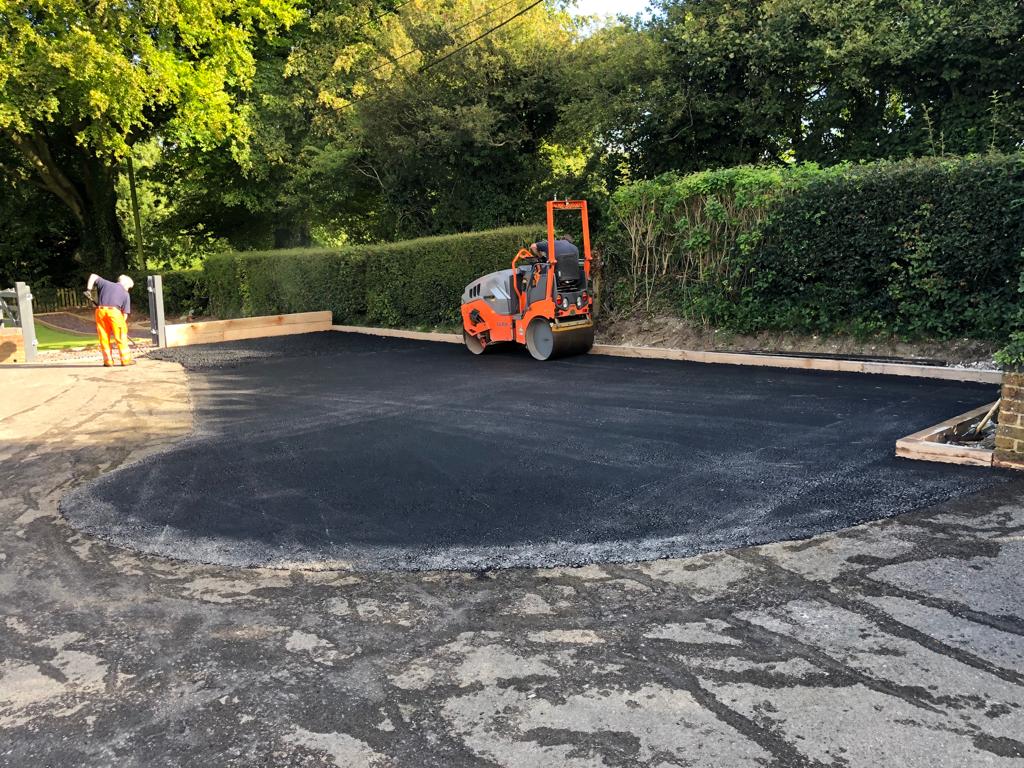
Spray & seal bitumen provides a practical, durable surface for roads, driveways and access areas, but like any pavement treatment, it does not remain unchanged indefinitely. Continuous traffic, weather exposure and gradual ageing can eventually affect the condition of the bitumen binder and aggregate. Recognising these changes early can help property owners renew the surface before more substantial pavement deterioration develops.
For property owners and businesses in Yass, NSW, determining when spray & seal needs renewing involves looking beyond appearance alone. The amount of aggregate remaining, condition of the bitumen, presence of cracking, drainage performance and stability of the pavement underneath all provide useful information.
At Yass Road Tek, we assess the complete condition of existing spray & seal surfaces to determine whether renewal is appropriate or whether other pavement preparation is required first.
What Happens to Spray & Seal as It Ages?
A spray & seal surface is created by applying a bituminous binder to a prepared pavement before spreading aggregate across it. The aggregate becomes embedded into the binder, creating a textured and durable wearing surface.
As the pavement ages, environmental exposure and regular vehicle movements gradually affect these materials.
Common changes can include:
- Aggregate becoming loose or displaced
- Bitumen becoming dry or weathered
- Small cracks appearing
- Traffic lanes becoming visibly worn
- Surface texture becoming inconsistent
- Localised potholes developing
- Pavement edges beginning to deteriorate
Not every minor change means immediate renewal is necessary. The important question is whether deterioration is beginning to reduce the effectiveness of the existing seal.
Aggregate Loss Is an Important Warning Sign
The aggregate on a spray & seal pavement performs an important role. It provides the wearing surface that comes into direct contact with vehicle tyres while protecting the bituminous binder underneath.
Some loose stones can occur without indicating widespread pavement failure. However, increasing aggregate loss across established traffic areas deserves attention.
Why Does Aggregate Begin to Come Loose?
Aggregate can become displaced for several reasons, including long-term wear, ageing of the binder and repeated vehicle movements.
Turning and braking areas may experience particularly concentrated forces as tyres move across the pavement.
When aggregate loss becomes widespread, the surface can develop:
- Bare or smoother sections
- Uneven texture
- Increasing quantities of loose stone
- Clearly defined worn wheel paths
- Exposed areas of ageing binder
These changes can indicate that the existing seal is reaching the stage where renewal should be considered.
A Dry and Weathered Surface May Need Attention
Bitumen naturally changes as it ages. Long-term exposure can cause the binder to become less flexible and more weathered.
An older spray & seal surface may begin looking faded, dry or brittle compared with sections that remain in better condition.
Appearance alone should not determine whether renewal is necessary, but visible ageing combined with aggregate loss or cracking can provide a stronger indication that the protective surface is deteriorating.
Cracking Can Allow Water Into the Pavement
Cracks are among the most important signs to monitor on an ageing spray & seal surface.
Once openings develop, rainfall can potentially penetrate the pavement and reach the supporting layers underneath. If these layers become wet and lose stability, the problem can progress beyond normal surface wear.
Early cracking may remain manageable, particularly where it is limited to isolated sections. More extensive cracking requires closer assessment.
Not Every Crack Means the Same Thing
The pattern and severity of cracking can provide useful information about what is happening within the pavement.
For example, isolated surface cracking may require a different response from widespread interconnected cracks accompanied by movement or settlement.
Signs that deserve professional attention include:
- Cracks becoming progressively wider
- Several cracks developing close together
- Cracking around depressions
- Broken pavement alongside cracks
- Vegetation appearing through openings
- Water collecting around cracked sections
Renewing the surface without addressing significant underlying movement may simply cover the symptoms temporarily.
Recurring Potholes Can Indicate a Deeper Problem
A spray & seal surface that repeatedly develops potholes may need more than another localised patch.
Potholes commonly develop when the pavement loses sufficient strength to support traffic. Water penetration, weak base material, poor drainage and repeated vehicle loading can all contribute.
If potholes repeatedly return to the same area, the supporting pavement should be investigated.
Surface Renewal Cannot Correct an Unstable Foundation
A new spray & seal treatment relies on the pavement underneath it. If that foundation contains soft, unstable or badly deteriorated sections, simply applying another surface treatment will not restore the structural support that has been lost.
Failed areas may need to be repaired and stabilised before resealing takes place.
This preparation is one of the reasons professional assessment matters when an existing spray & seal pavement has moved beyond ordinary surface wear.
Water Pooling Can Accelerate Deterioration
Drainage should always be considered when assessing an ageing road or driveway.
Water that regularly collects in depressions can increase opportunities for moisture to enter small cracks and damaged areas. Repeated saturation may then weaken the supporting pavement.
Warning signs include:
- Puddles remaining after rainfall
- Water collecting in wheel paths
- Erosion around pavement edges
- Potholes forming in low areas
- Cracking concentrated around depressions
Where necessary, grading and drainage problems should be addressed as part of preparing the pavement for renewal.
Worn Wheel Paths Can Reveal Traffic-Related Deterioration
Roads and access areas do not always deteriorate evenly. Sections carrying the greatest concentration of vehicle movements can show wear earlier than other parts of the pavement.
Regular wheel paths, entrances, intersections within a property and turning areas can experience increased stress.
If these sections have become significantly smoother, loose, cracked or deformed while surrounding areas remain relatively sound, it may indicate that traffic is beginning to exceed the performance of the ageing surface.
Pavement Deformation Needs Further Investigation
Surface wear and structural movement are different problems.
Rutting, sinking and substantial depressions can indicate movement within the pavement layers rather than deterioration of the spray & seal treatment alone.
Applying a fresh seal over significant deformation will not correct the pavement profile or strengthen an unstable base.
Where these conditions are present, additional preparation may be required before the surface is renewed.
When Is Resealing a Suitable Option?
Renewing an existing spray & seal surface can be an effective approach when the underlying pavement remains structurally serviceable but the wearing surface is approaching the end of its useful condition.
The existing pavement may be suitable for renewal when:
- The foundation remains stable
- Surface wear is the primary concern
- Aggregate loss is becoming noticeable
- Minor defects can be prepared beforehand
- Drainage remains effective or can be corrected
- Major structural deformation is absent
The condition of the complete pavement should determine whether resealing is appropriate.
Why Renew Before Widespread Failure Develops?
Waiting until a spray & seal pavement contains extensive potholes and structural deterioration can allow damage to progress into the supporting layers.
Earlier intervention provides an opportunity to preserve pavement that is still performing properly.
Renewal at the appropriate stage can help restore the wearing surface, improve consistency and provide continued protection to the pavement underneath.
This is why regular observation is valuable. Changes in texture, aggregate retention, cracking and drainage can provide early indications that the existing seal is beginning to deteriorate.
Preparation Is Essential Before a New Spray & Seal Surface
A successful renewal starts with the condition of the existing pavement.
Before another spray & seal treatment is applied, defects should be identified and appropriate preparation completed. Depending on pavement condition, this can include:
- Repairing potholes
- Addressing unstable sections
- Correcting surface levels
- Improving drainage
- Preparing damaged edges
- Treating areas of significant deterioration
- Grading where required
Applying a new seal over unresolved defects can allow those problems to continue underneath the renewed surface.
Professional Assessment Helps Determine the Right Timing
One of the challenges with pavement maintenance is determining whether a surface should be renewed now or whether it remains serviceable.
There is no single age at which every spray & seal pavement requires renewal. Traffic levels, drainage, pavement construction and surface condition all influence how quickly deterioration occurs.
At Yass Road Tek, we assess existing spray & seal surfaces in Yass, NSW, with attention to the condition of the seal as well as the pavement supporting it. This allows recommendations to be based on what the road, driveway or access area actually requires rather than appearance alone.
Conclusion
An existing spray & seal surface may need renewing when aggregate loss becomes widespread, the bitumen is visibly weathered, cracking is increasing or traffic areas are showing significant wear. Ideally, renewal should be considered while the supporting pavement remains stable rather than waiting until extensive potholes and structural failures have developed.
However, not every deteriorated surface is ready for straightforward resealing. Recurring potholes, substantial rutting, settlement and drainage problems can indicate deeper pavement issues that should be addressed before a new seal is applied.
For property owners and businesses in Yass, NSW, Yass Road Tek provides professional spray & seal bitumen, pavement preparation and resurfacing services based on the existing condition of each surface. If your spray & seal road or access area is showing increasing wear, loose aggregate or developing cracks, contact our team to arrange an assessment and determine whether the pavement is ready for renewal.
Call us on: 02 5135 3012
Click here to find out more about Yass Road Tek
Click here to complete our contact form and see how we can help with your Asphalt and Bitumen Surfacing needs.